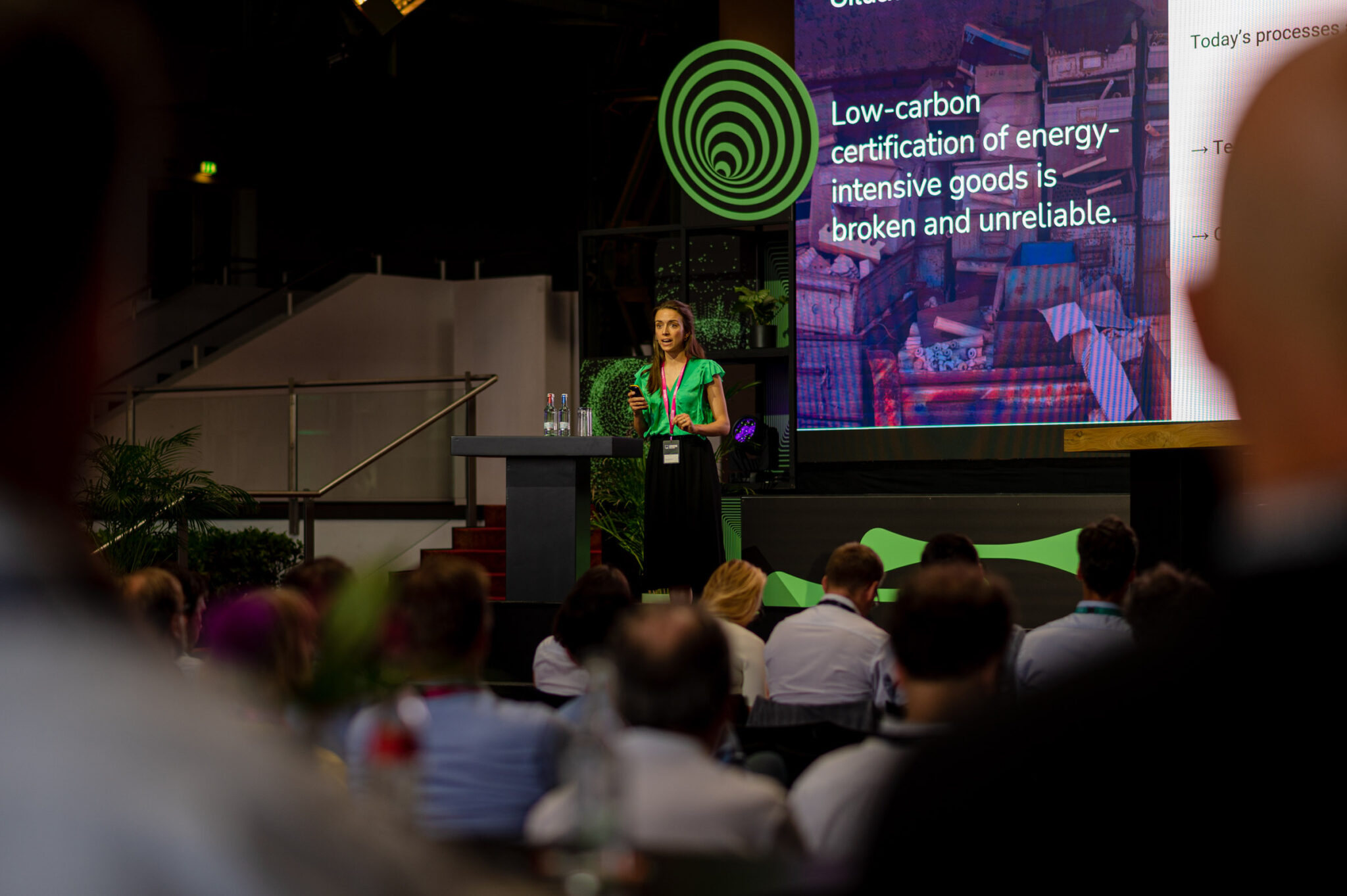
We regularly highlight the success stories of start-ups in our #HYDROVERSE ecosystem, showcasing their progress and achievements. Whether through participation in our accelerator and incubator programs or engagement at key events such as the HYDROVERSE CONVENTION, each start-up plays a vital role in shaping the ecosystem and deserves recognition.
Atmen is featured as part of this new series, with CEO and Co-founder Flore de Durfort sharing insights into the start-up’s journey.
Welcome, Flore, please pitch your start-up story.
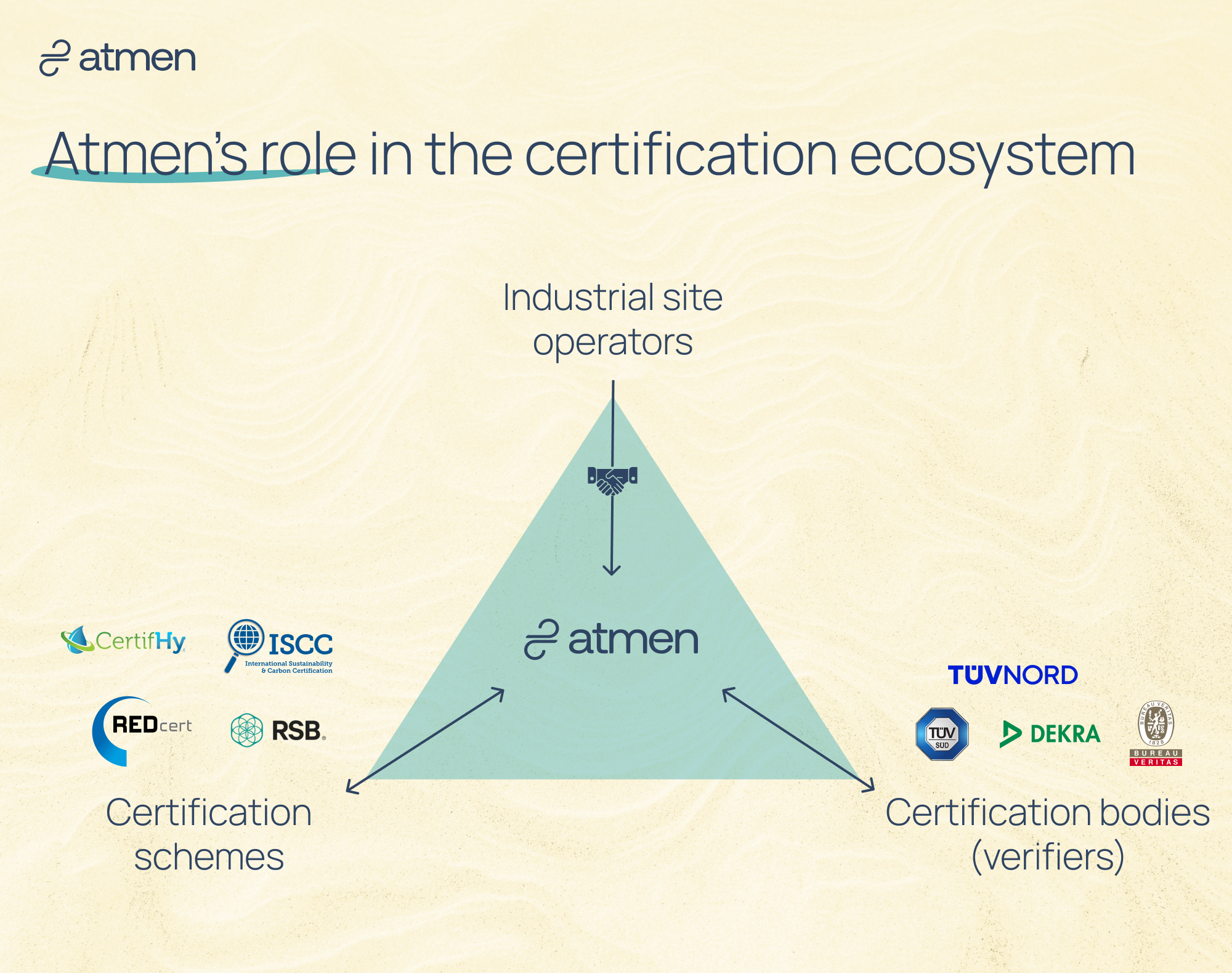
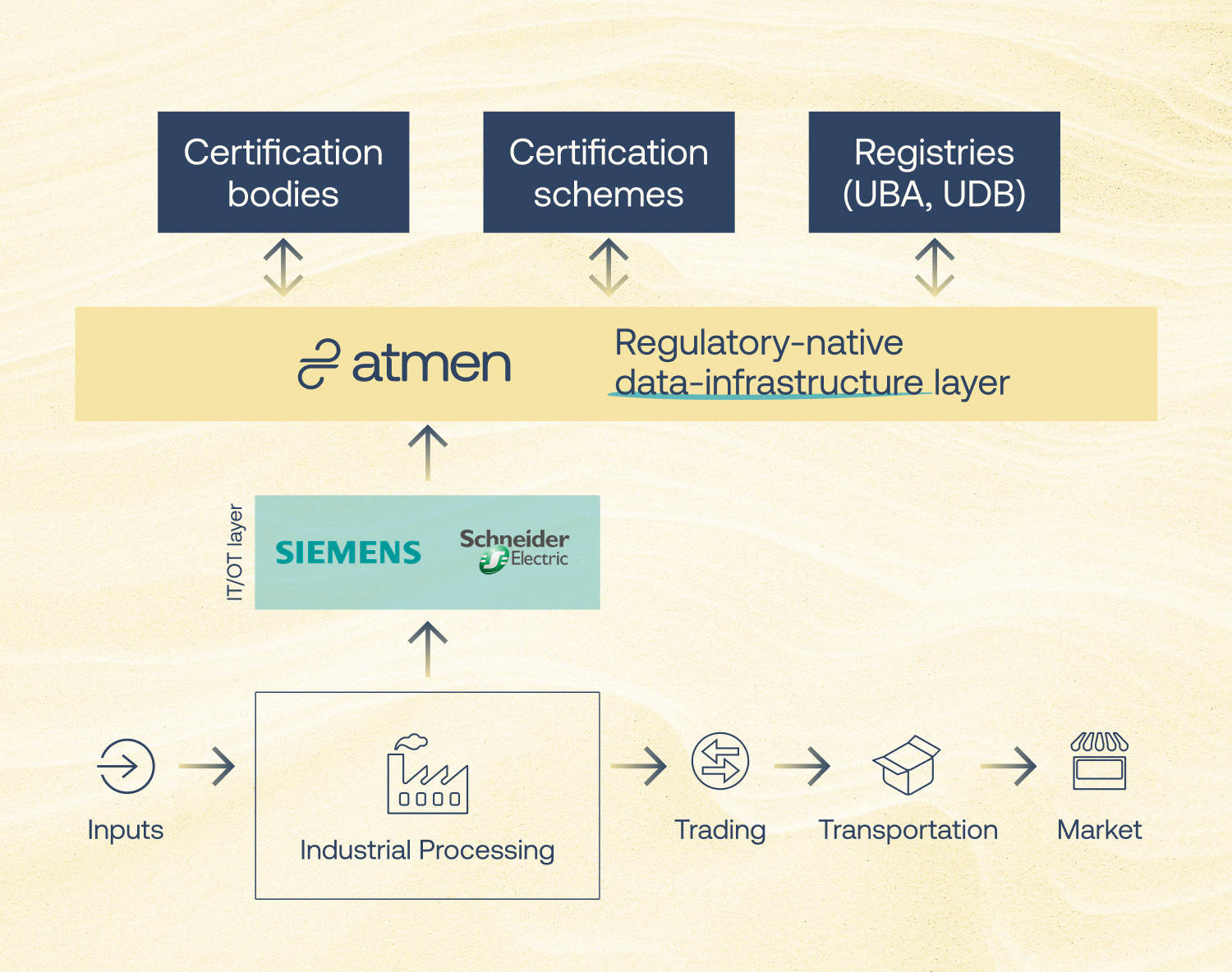
Flore de Durfort: Atmen is a regulatory technology company. We’re based in Munich and Madrid, and we developed a software suite that helps energy-intensive companies continuously and automatically certify their products as sustainable. What makes us unique is our depth of expertise in regulation, which we have infused into our tech. We like to see ourselves as an infrastructure layer. This data infrastructure sits between industrial sites and certification bodies and automates all the work from data ingestion to making sustainability claims.
What inspired you to found a company?
It was a very genuine question back in 2022. The question was: how can it be that something as critical for our energy transition, and something as basic as labeling a product, still relies on very manual, almost 19th-century processes, with one auditor going once per year physically to an industrial site and verifying thousands of data points before a certificate can be issued? This process is prone to fraud; it is not fit for modern times, and our initial intuition was that something needed to be done to bring certification into the 21st century.
Which market or technological assumption did you need to reconsider in the process?
Our positioning in the certification ecosystem. Should we become a certification scheme ourselves and bring our own label, or should we try to become an auditor? What we learned over time is that there is a need for a new category: a technology provider. An infrastructure provider that does not replace anyone in the certification ecosystem, but instead makes everyone’s lives easier and creates value for every party in the ecosystem.
In what ways has H2UB positively affected your start-up?
Participating in the H2UB SPRINT accelerator was great to make ourselves known in the ecosystem. H2UB did a very good job in becoming a well-known brand in the space across Europe, and we clearly benefited from that visibility.
What was your biggest success since participating?
One has been winning some of the biggest possible accounts and brands in the field as customers. Not all of them are public, but we’re very proud to have entered some of the largest companies’ procurement systems and become the default traceability and certification layer for them. This is a huge milestone. Meanwhile, we also progressed with very valuable strategic partnerships, Schneider Electric and Siemens being two of them, but also some of the certification schemes themselves, by becoming the first officially recognized compliance technology provider for CertifHy across the EU.
In what way does the support of an established company like Siemens accelerate your progress?
An obvious point is that Siemens and Atmen are targeting similar players in the market but with complementary offerings. They bring the IT/OT and automation layers, and we bring the certification infrastructure. We need the IT and OT layers to work at scale and deliver our full value proposition. So there is both commercial and technical synergy. We are working toward a vision of a pre-integrated ecosystem of players that delivers value across the market and simplifies access to robust technology solutions.
Which aspect of our accelerator did you find the most valuable?
First, the visibility we got at industry-leading conferences and gatherings. This was either in the form of pitches or booths, and it’s costly to get this visibility initially, so it was always a great springboard for us. The other thing we benefited from was the mentoring, especially introductions to experts in the sector. Through H2UB we got access to TÜV Nord, which became one of our first strategic partners and was instrumental in establishing the company in the space.
Which situation do you remember most vividly when working with H2UB?
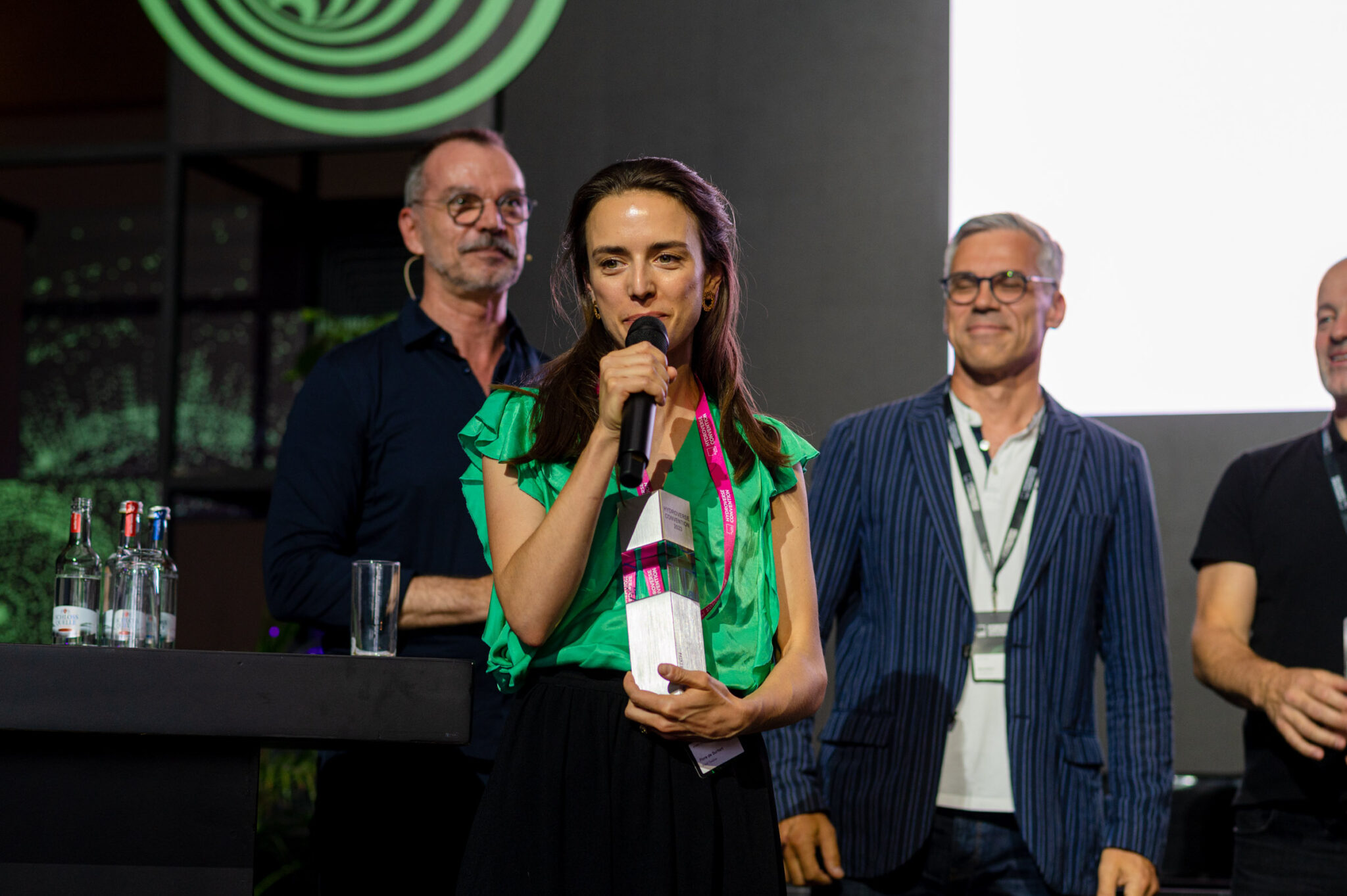
Winning the “Start-up of the year” award at the HYDROVERSE CONVENTION. This really felt like a wave of new supporters and new believers in our mission, and we always need that. It was a big encouragement to continue working harder.
You are also working closely with a start-up from our ecosystem. How did your collaboration with TURN2X start?
It started quite naturally, as we were both young companies in Munich’s renewable fuel space. There was an obvious match, since we developed a solution for players like TURN2X, and there was also an obvious cultural fit from the start.
What needs to be done to further advance hydrogen and green energy innovations in the market?
Maybe not very new, but I think we need more trial and error and a fail-fast mentality. I keep hearing too often that progress on innovative solutions is stalled by too much legal and procurement discussion too early on. So anything that helps focus on creating value fast before putting the full corporate layer in place is very welcome. We’ve seen good examples with some of our clients who put us on a fast-track proof-of-concept phase in procurement, where we were able to act quickly as a supplier, prove value, and then grow from that contract to a broader enterprise contract with more constraints and due diligence. This is a great example of how corporates can work with innovative solutions without slowing down momentum from the start.


What is your next big step?
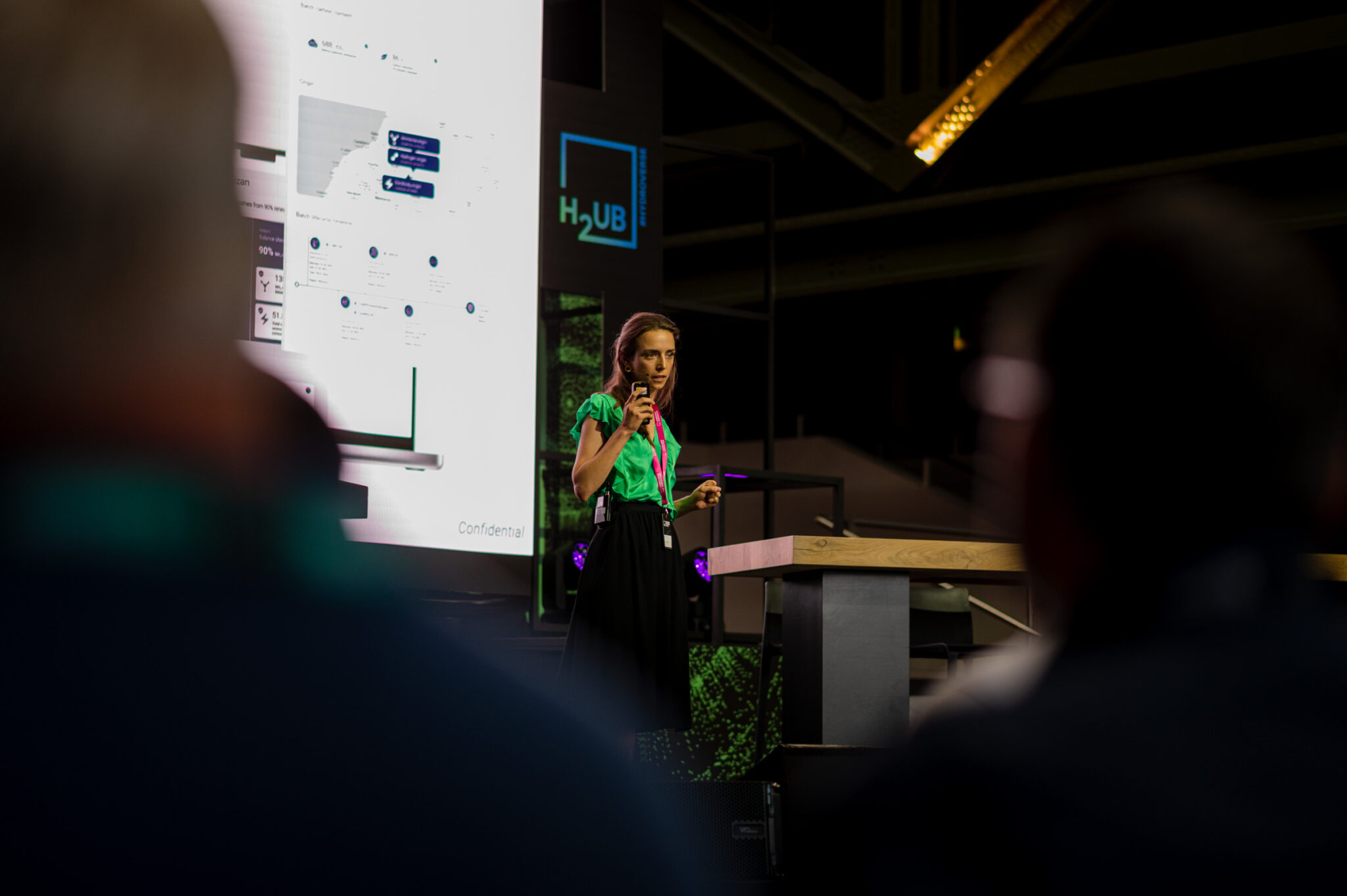
First, really automate three times as much as we do today. We started by ingesting data, confronting it with regulatory logic, and doing this in a fully auditable way, so we had an infrastructure backbone to build on. Now we’re at a stage where we are deploying automation workflows and AI-native automation workflows as well, in terms of risk assessments for claims and certifications, but also automatic data labeling, automatic data cleaning, and automatic rule mapping. This is a big part of what’s keeping us busy at the moment. Meanwhile, we are also expanding commodities, adding more energy-intensive goods, and right now adding the bio side of our product suite to cover products of biological origin, and we work on the next frontiers in parallel.
What advice would you give to other founders who are just starting out in the hydrogen market?
Fall in love with a problem, not with a solution. This is pretty basic lean start-up methodology, but I still often see people discover a potential solution and then ask who it could be useful for. In our case, what was very powerful was that we started with a problem we had no idea how to solve, but with the conviction that we were the right team to solve it. So, founder-market fit was very strong, and we focused on finding a solution to a well-defined problem. Spending as long as possible on the problem would be my main piece of advice.
Thank you, Flore!
About Atmen
Atmen is a regulatory technology company providing the data infrastructure that powers trusted certification of industrial products. Atmen focuses on automating certification and enabling large-scale, verifiable supply chain transparency across energy-intensive industries. Founded in January 2023 by energy and regulation experts Flore de Durfort, Quentin Cangelosi, and Erika Degoute, Atmen has raised €6.3M to date to build technology that certifies industrial goods, starting with renewable gases. Headquartered in Munich, the company’s platform is deployed across industrial sites in 9 countries, automating certification workflows and enabling verifiable proof of product attributes throughout the supply chain.
About Flore de Durfort
Flore de Durfort is the CEO and co-founder of Atmen. She has been in the energy transition space for over ten years. Before Atmen, Flore was E.ON’s Head of Data Monetisation and Incubation, overseeing the firm’s value creation from data generated across the group. Flore received an MA summa cum laude in Energy Economics & Regulation from SciencesPo in Paris, as well as an MA with highest distinction in Political Philosophy and Ethics from the Sorbonne in Paris.
Graphics & last picture in slide provided by atmen