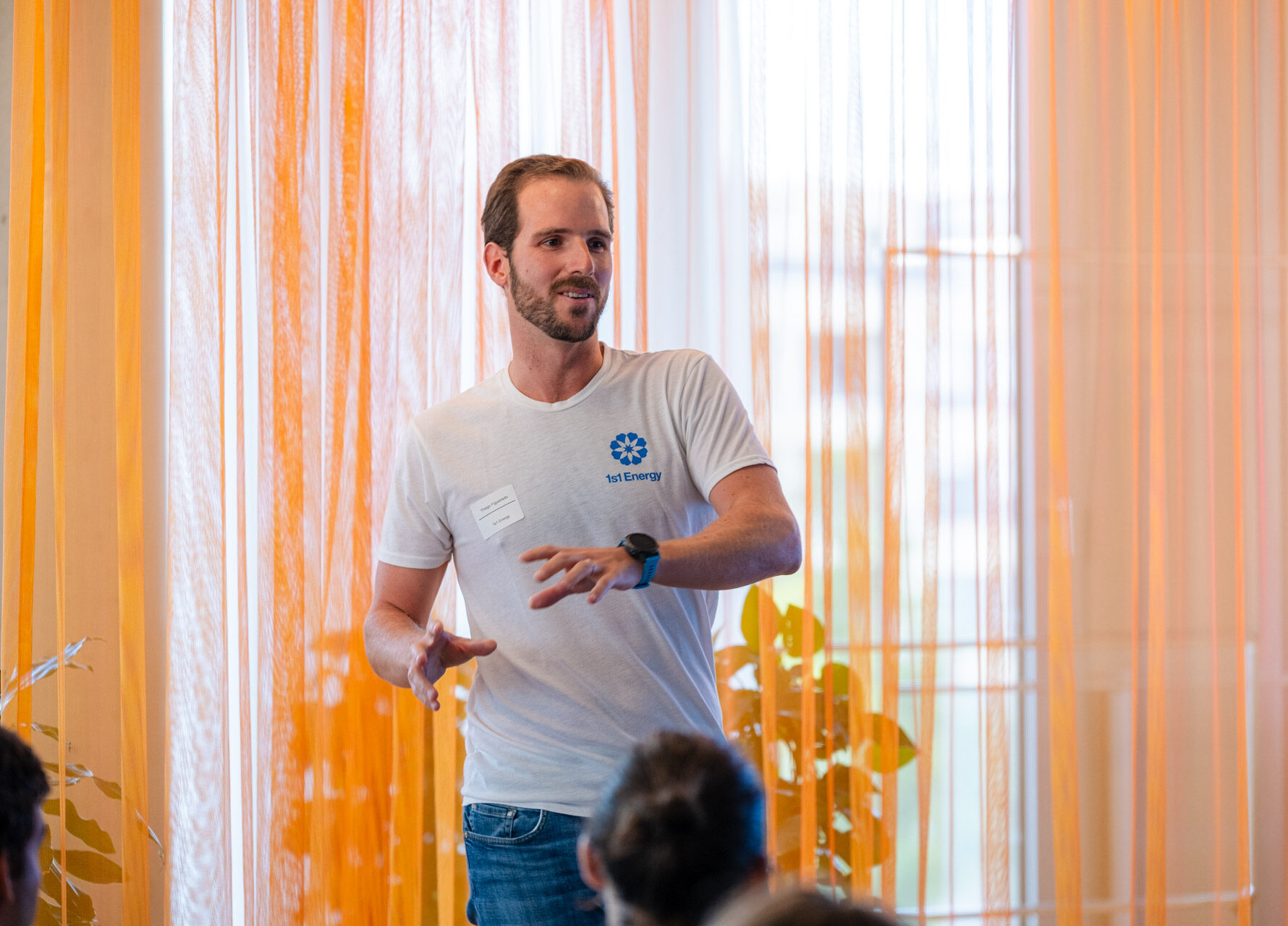
Our new series highlighting the success stories of start-ups in our #HYDROVERSE features 1s1 Energy. CBO and co-founder Thiago Figueiredo joined us to share their start-ups story.
Welcome, Thiago, please pitch your start-up in a few sentences.
Thiago Figueiredo: At 1s1 Energy we are developing novel electrochemical cell components and stacks based upon material science innovations. Our first application is water electrolyzers. There, we have traction, paid pilots, and we are working on our first commercial PEM electrolyzer. We are also leveraging the same underlying technology in other applications, focused on replacing long, polluting supply chains subject to geopolitical risk with the on-site production of high-value chemicals, providing cost-effective, environmentally friendly products.
What inspired you to found a company?
What excited me was combining the entrepreneurial journey with the impact of reducing CO2 emissions, using my skill set to fight climate change. I’ve been building companies since the start of my career and I enjoy it. I’m one of four co-founders. Our CEO, Daniel Sobek, and CTO, Sukanta Bhattacharyya, came up with the idea, and the chance to keep working with these inspired people, after years of collaboration, drew me in.
Dan and Sukanta had long explored elegant solutions to materials science problems in their spare time, always taking into account how they could bring these new concepts to market. By the end of 2019, it made sense to start a company. We didn’t begin with a particular, patented technology, but my co-founders had many ideas for new materials that could have a significant impact in electrochemistry, and that, combined with their experience in building businesses, was the foundational platform on which to start the company. We knew innovation in electrochemistry could make a real impact on climate change. So, we banded together, and it has proven to be true.
Which market or technological assumption did you need to reconsider in the process?
Our core assumption remains unchanged: Innovation in materials science is essential for the energy transition. We’ve had some learnings along the way, but they stem from our differentiated approach. Scaling matters, but to eliminate the green premium, scaling without true materials innovation doesn’t work. So, what we do is examine each technology and vertical we operate in, analyze the materials used today, and then return to first principles to design a more elegant, efficient solution.
In hydrogen and other applications, one major technology vertical is proton exchange membrane (PEM) technology. For decades, everyone relied on the same proton exchange groups to move protons across membranes in electrolyzers and fuel cells. These proton exchange groups are as old as the technology itself, so about 60 years old. Nobody had found alternative proton exchange groups until we did. Thanks to our CTO and CEO, we unlock new ideas like these that rethink critical components of the electrochemical cells, develop and patent them, and use this foundation to improve existing technologies.
It’s been six years since you founded 1s1Energy. What advice would you give to other founders who are just starting out in the hydrogen market?
Pay less attention to reports and more to the customers. Be more creative about what hydrogen and your technology can do. Announcements of big projects are beautiful and obviously guide the size of the opportunity, but you need to go deeper. Talk to customers, both those who are already using hydrogen and those who want to use it, and learn from their pain. Try to understand what is preventing them from using hydrogen.
Obviously, with hydrogen and the electrolyzer companies which are one vertical of 1s1 Energy, the problem is that hydrogen needs to be cheap. We’re still working on that. But it is important to talk to customers to learn the intricacies of deployment. It’s not just about developing the best product; you need to understand customers’ needs. Furthermore, beachhead markets are a great way to gain commercial traction while the elephant opportunity matures.
What is your next big step?
This year could be pivotal for us. There are many things we are working on, which hopefully will come to fruition. Ideally, we would have developed everything more gradually to make our whole journey less dramatic, but now these things are converging simultaneously.
We’re excited to start our first commercial pilot at an oil-hydrogenation plant this year. Other projects we can’t fully disclose, but we have been finding other ways of leveraging our technology to build, develop, and produce very high-value chemicals on-site. We’re about to close a partnership to further explore this technology.
Otherwise, we are finalizing the details to have our lab in Brazil operational after the summer. There, we also have other projects in the pipeline: one big pilot and two others we want to deploy and work on simultaneously to commercially demonstrate our technology and develop new approaches in one of our main applications, water electrolyzers.
We finally had the opportunity to leverage our Important Projects of Common European Interest (IPCEIs), which 1s1 Energy has had approved since 2022, to improve our chances of securing public funding. We applied for a substantial grant here in Portugal , which will allow us to then move towards building a facility to assemble our stacks, test on a larger scale, and get our technology to the MW scale. We will hopefully see it approved in August or September.
In what ways has participating in the H2UB program positively afffected your start-up?
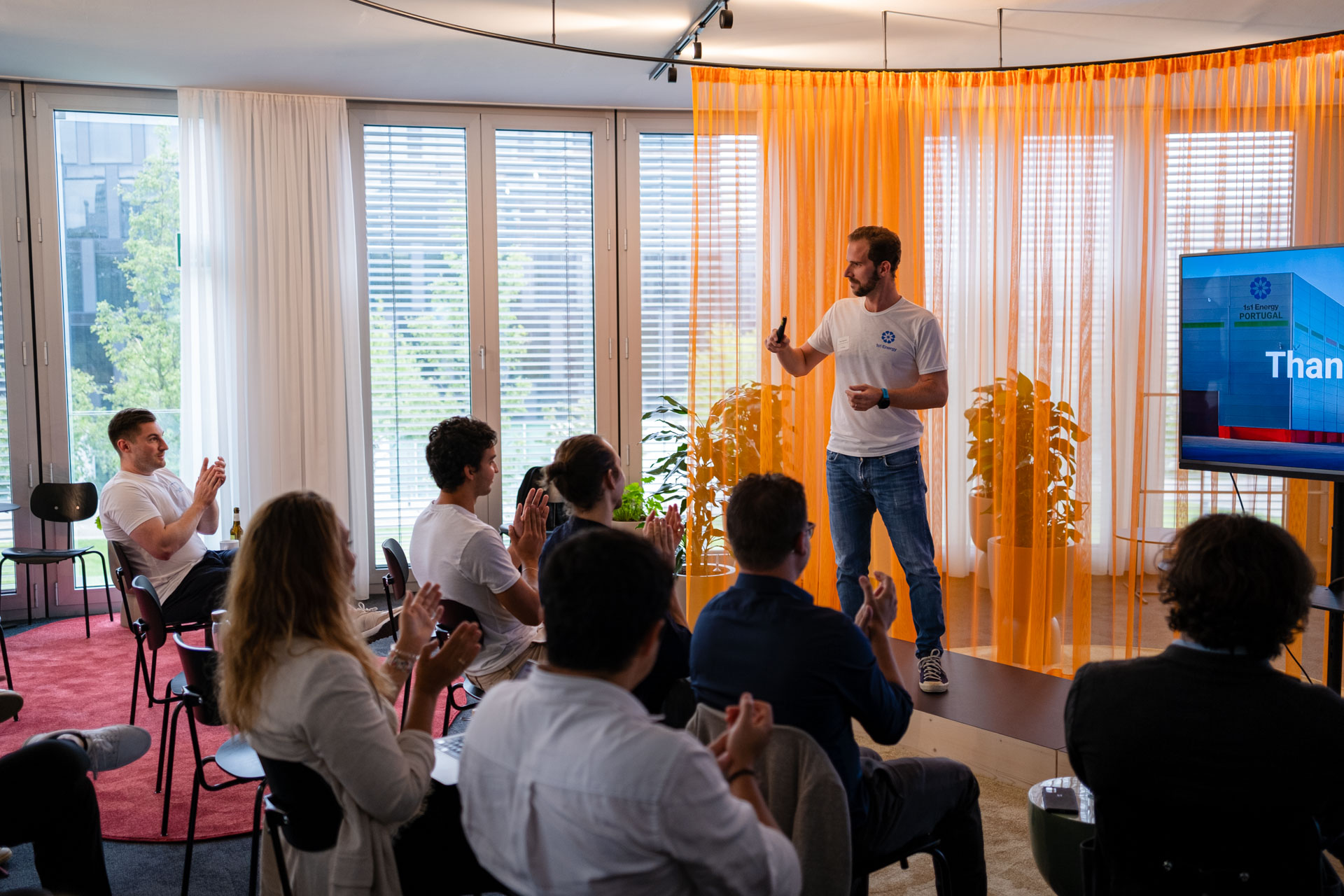
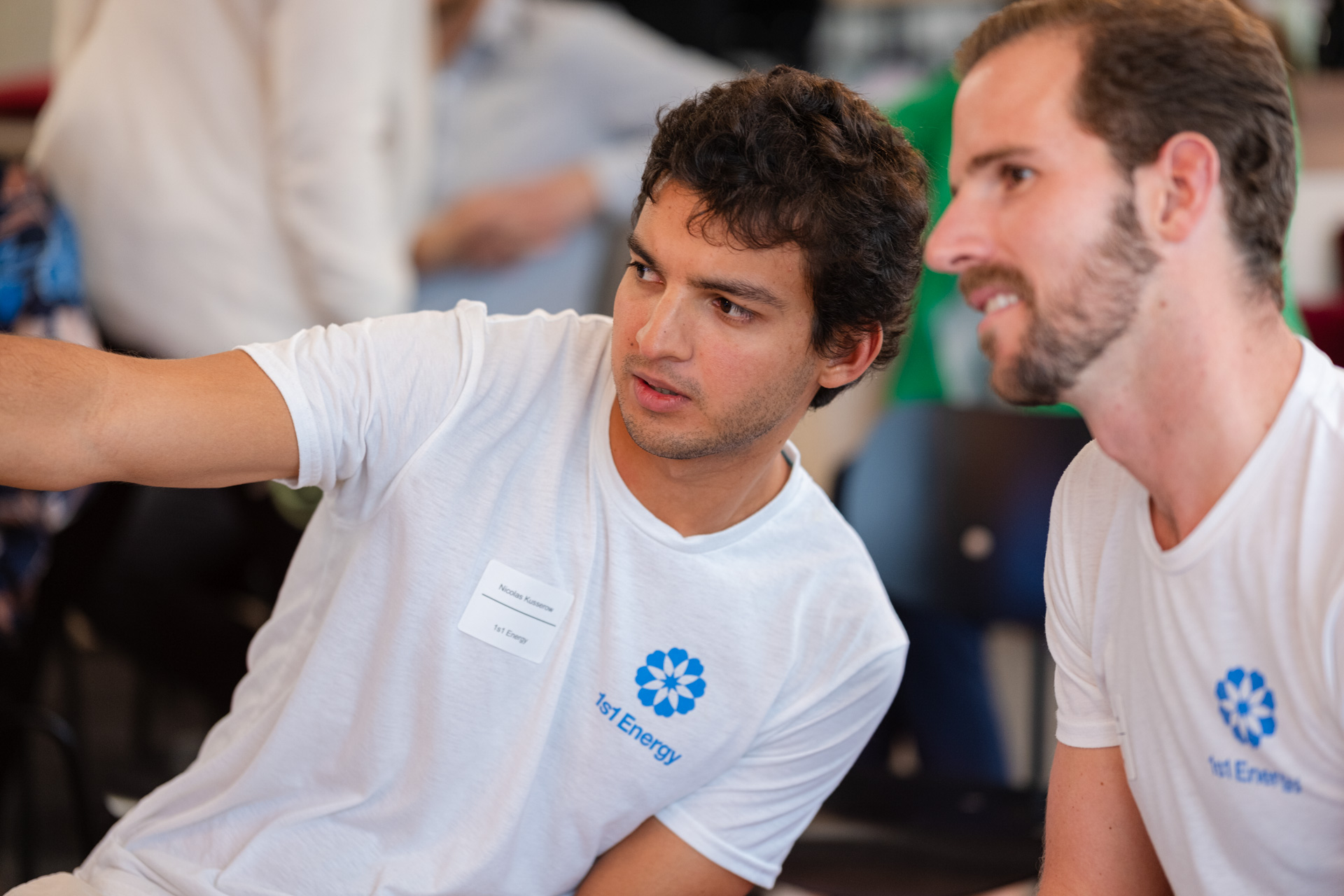
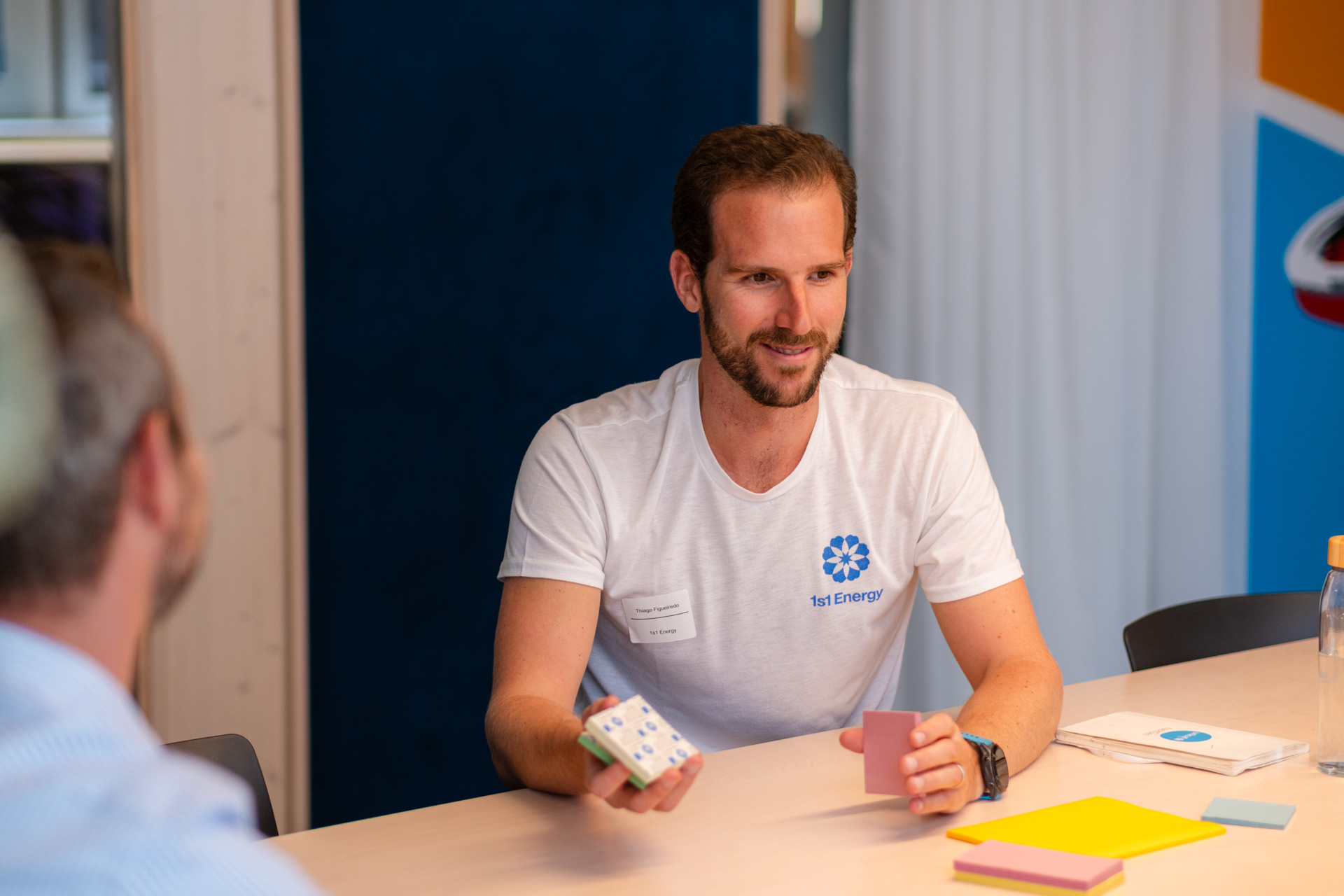
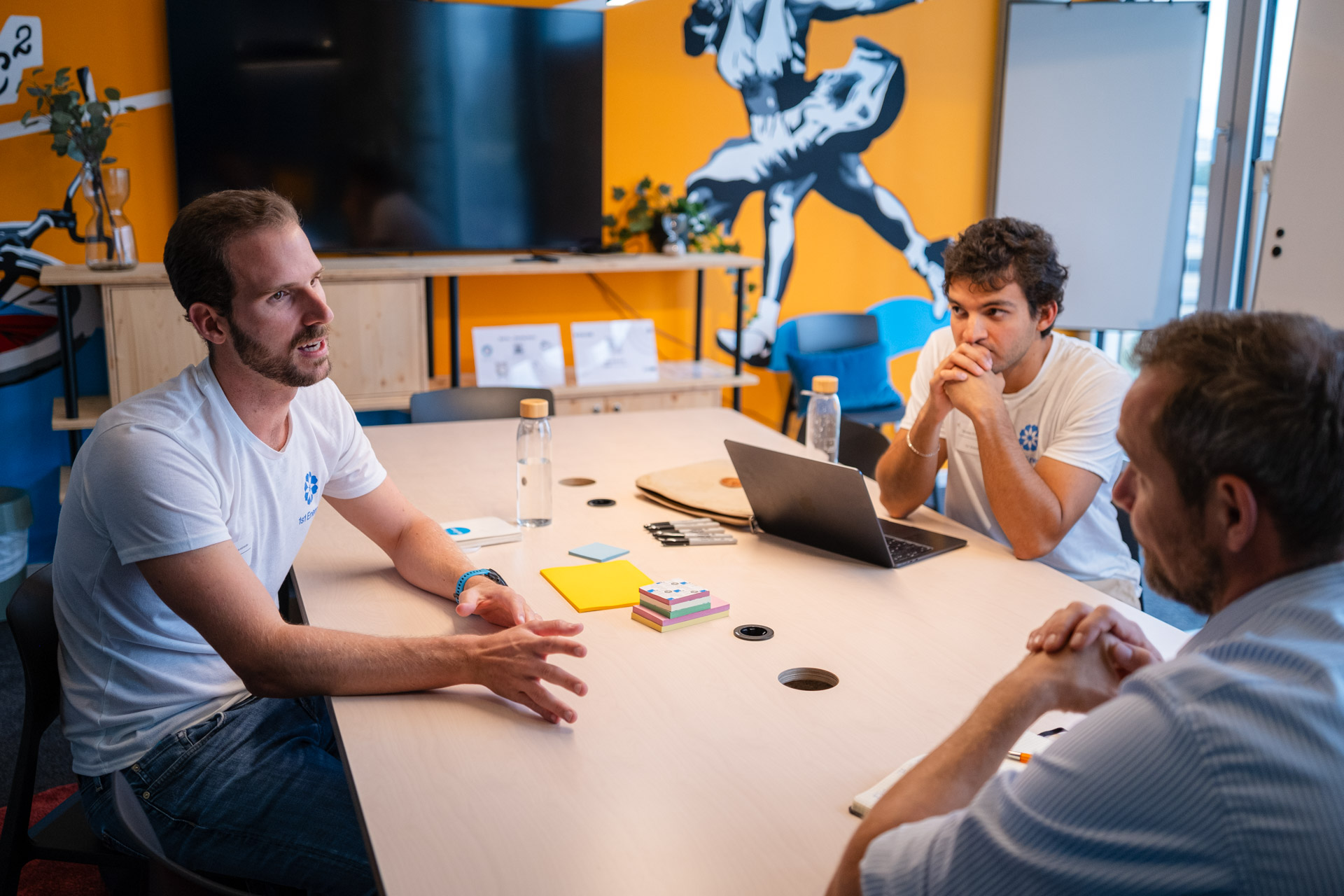
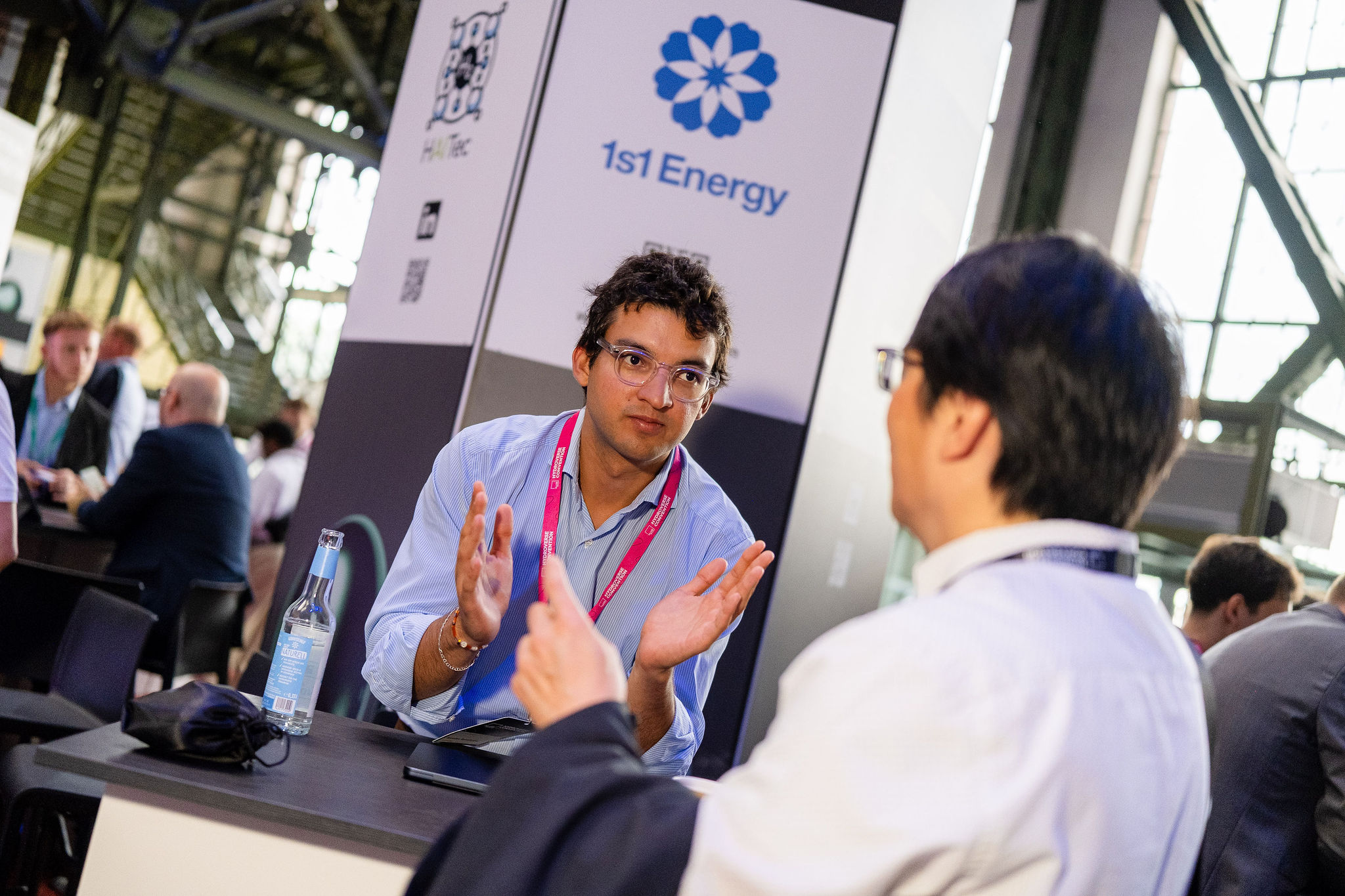
There are several ways it added a lot of value to 1s1 Energy, we really liked working with you. The main thing you help with a lot is visibility: putting us in the right place at the right time and giving us opportunities to meet the right people. At the European Hydrogen Week in Brussels, for example, we had a booth, pitched our technology, and participated in panels through our relationship with H2UB. There were also several conversations with companies and investors that we have been engaging with that originated from interactions at the H2UB.
What was your biggest success since participating?
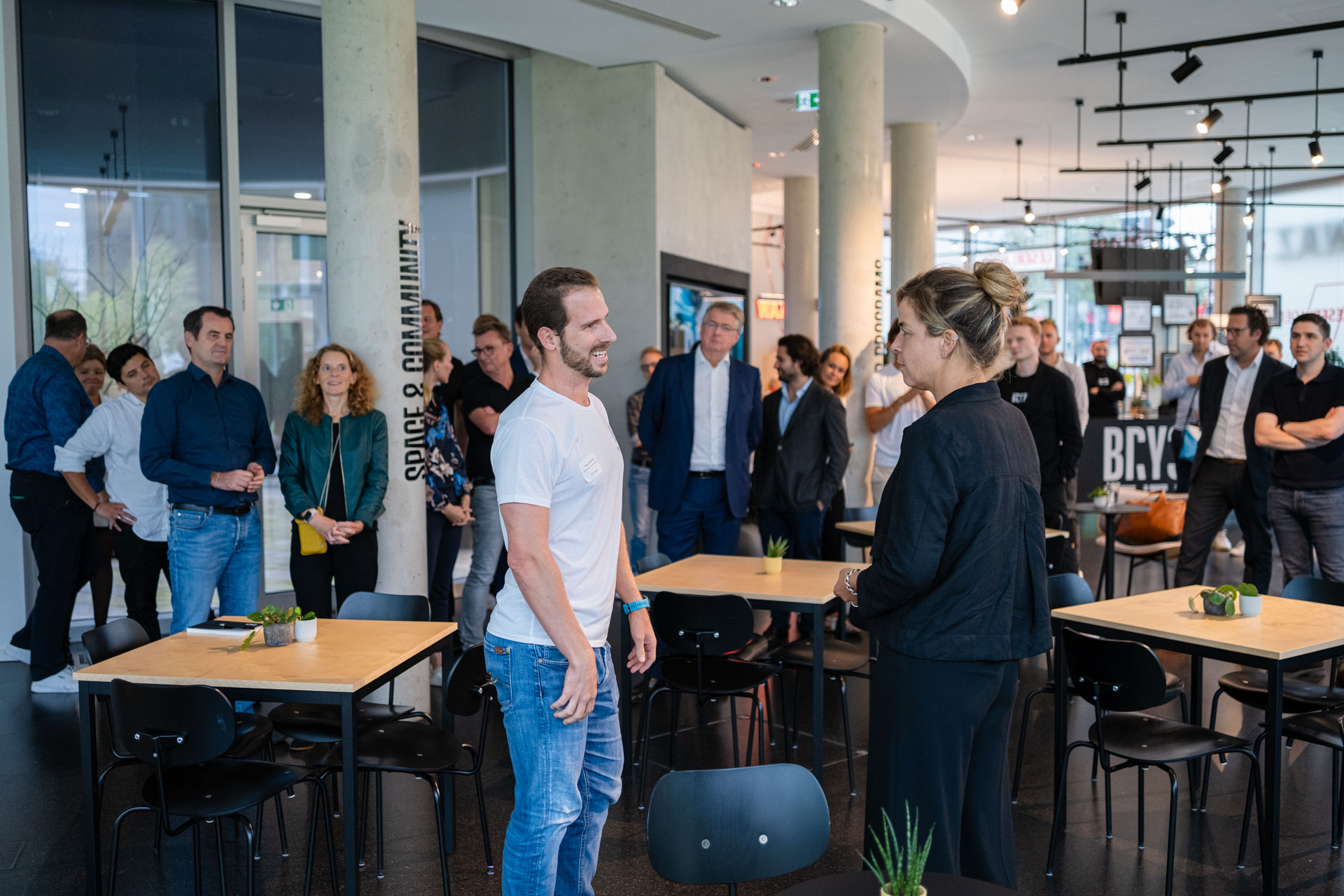
One success directly linked to the program was meeting one of our main investors and partners. Through the H2UB, we were at the European Hydrogen Week in Brussels. We met there because they were looking for new technologies, and we kept in touch. Obviously, those talks took some time, so after approximately a year, we formally partnered with them.
Which part or aspect of our accelerator did you find most valuable?
We are grateful for the opportunities the H2UB has given us. You learn and gain a lot in and through the accelerator and through the relationship with the H2UB. The pitching coaching was really good and super helpful. What sticks with you in the end are the events, the visibility and networking opportunities, and the introductions made. The network is great. But the camaraderie is valuable, too: on the one hand, the H2UB is cheering you on and meeting you at events. On the other hand, the connection to other start-ups. Yes, we are sometimes competing, but in the end, we all want the same thing, and this sense of community is valuable.
These are reasons why we also, in a way, try to contribute to the H2UB’s continuing success: every time someone wants to talk about hydrogen, we refer them to it.
Which piece of advise or situation do you remember most vividly?
Well, in the pitching sessions, they always said, ‘Talk slower, you talk too fast. But I believe there were other instances that I may not remember, but had an impact because there were and are still situations that make us reflect on our story and how we operate and adjust something accordingly.
What needs to be done to further advance hydrogen and green energy innovations in the market?
On the hydrogen side, deployment is critical. And patience, too. Now that the hype has dialed down significantly, people shouldn’t think that hydrogen isn’t going to happen. It’s about demonstrating that it works through deployment and real use cases.
Especially in Europe, the key is supporting emerging companies with innovations that make hydrogen production cheaper. Industrial players are risk-averse, so it is vital to show that hydrogen is a journey: not cost-effective at first, but with scaling and support, costs will drop. It won’t happen as fast as people thought it would, but it will happen.
Deployment matters, but finding mechanisms that enable the deployment of new innovative opportunities is just as important. Installing large legacy electrolyzers shows scale but not progress if they can’t produce hydrogen cheaply because they are based on legacy technology. We need more instruments and incentives that help deploy innovative solutions and fund first-of-a-kind pilots to prove the new technologies’ potential to outperform existing ones.
We believe the hydrogen economy is coming. Start-ups that adapt, find opportunities and alternatives, and stay resilient in a tough market will be the ones to thrive in the long run.
About 1s1 Energy
1s1 Energy is an electrochemical platform company engineering high-performance cells to enable the on-site generation of high-value chemicals and beyond. Led by a team of serial entrepreneurs from MIT, Caltech, and UC Berkeley with a track record of successful exits and technology out-licensing, we are displacing expensive, centralized supply chains with modular, on-site production.
About Thiago Figueiredo
Thiago Figueiredo is a second-time entrepreneur and former venture capitalist. After studying economics, Thiago started his career in wealth management, where he pioneered impact investing. His interest in impact investing led Thiago to build a B-corporation managing sustainable forestry projects certified by the FSC, which was later sold to Suzano Papel & Celulose. Thiago then worked as a venture capitalist, investing in impactful biotech and med-tech startups on behalf of several family offices. In Early 2020, Thiago joined 1s1 Energy as co-founder and chief business officer to help bring impactful cleantech to market and address climate change.